
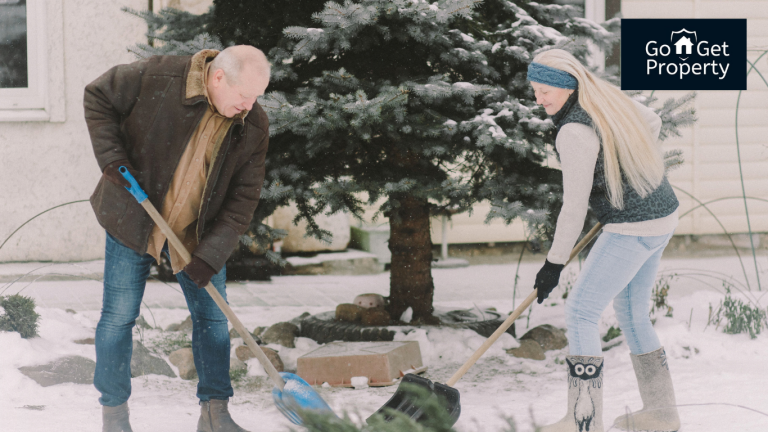
Winter in Saskatchewan can take a toll on rental properties. Extreme cold, heavy snow, frozen pipes, ice buildup, furnace issues, and drafts can quickly turn a small maintenance problem into an expensive repair.
For landlords and property owners, preparing before the deep freeze is one of the best ways to protect the property, reduce emergency calls, and keep tenants comfortable through the winter.
Here are 12 practical things to check before temperatures drop.
1. Service the Heating System
Your furnace or heating system should be one of the first things you inspect before winter.
A heating failure in mild weather is inconvenient. A heating failure during a Saskatchewan cold snap can quickly become an emergency.
Before winter:
- Replace or clean furnace filters
- Check vents and air returns
- Listen for unusual furnace noises
- Confirm thermostats are working properly
- Arrange professional servicing if the system has not been inspected recently
Preventive maintenance can help identify problems before the heating system is working at maximum capacity.
2. Check Windows and Exterior Doors
Cold air leaking through windows and doors can increase heating costs and make the property uncomfortable for tenants.
Inspect:
- Window seals
- Door weatherstripping
- Exterior door sweeps
- Cracked or missing caulking
- Loose window hardware
Even small gaps can become noticeable once Saskatchewan temperatures fall well below freezing.
3. Protect Pipes From Freezing
Frozen pipes can cause major water damage and costly repairs.
Pay particular attention to plumbing located:
- Near exterior walls
- In basements
- In crawl spaces
- Inside poorly insulated cabinets
- Near garages or other unheated areas
Make sure vulnerable pipes are properly insulated and that the property maintains adequate heat throughout the winter.
Landlords should also make sure tenants understand who to contact immediately if they notice reduced water pressure, unusual plumbing noises, or signs of freezing.
4. Shut Down Exterior Water Lines
Outdoor plumbing should be prepared before freezing temperatures arrive.
Disconnect garden hoses, shut off exterior water supplies where applicable, and drain outdoor faucets or irrigation lines.
Leaving a hose attached to an exterior faucet can trap water inside the line and increase the risk of freezing.
5. Inspect the Roof and Gutters
Snow and ice add significant weight and moisture to a building.
Before winter, inspect the roof for:
- Missing or damaged shingles
- Loose flashing
- Visible leaks
- Damaged roof edges
- Areas where water may collect
Gutters and downspouts should also be cleared of leaves and debris.
Blocked drainage can contribute to ice buildup and water problems when snow begins melting.
6. Create a Snow Removal Plan
Do not wait until the first major snowfall to decide who is responsible for clearing the property.
Confirm how snow and ice will be handled around:
- Walkways
- Steps
- Entrances
- Parking areas
- Garbage areas
- Emergency exits
For multi-unit and commercial properties, having a reliable snow-removal arrangement in place before winter can help prevent delays after a storm.
Clear expectations also reduce confusion between tenants, landlords, contractors, and property managers.
7. Inspect Exterior Lighting
Winter means shorter days and more time spent entering and leaving properties in darkness.
Check exterior lighting around:
- Front entrances
- Rear entrances
- Parking areas
- Walkways
- Stairways
- Garbage and recycling areas
Replace burnt-out bulbs and make sure fixtures are secure and functioning properly.
Good lighting improves visibility and can make winter access safer for tenants and visitors.
8. Test Smoke and Carbon Monoxide Alarms
Heating equipment is used heavily during winter, making this an important time to confirm safety devices are working.
Inspect and test:
- Smoke alarms
- Carbon monoxide alarms
- Batteries
- Expiry dates
Replace units when required.
Landlords should also document when inspections and replacements are completed.
9. Look for Moisture and Ventilation Problems
Winter often brings closed windows and higher indoor humidity.
Bathrooms, kitchens, basements, and laundry areas should be checked for signs of excess moisture.
Look for:
- Condensation
- Water stains
- Mold or mildew
- Poor ventilation
- Bathroom fans that are not working
- Dryer vents that are blocked
A small moisture problem can become much more serious if it remains hidden throughout winter.
10. Inspect Steps, Railings, and Walkways
Snow and ice can make existing exterior problems more dangerous.
Before winter, inspect:
- Loose railings
- Cracked steps
- Uneven sidewalks
- Damaged handrails
- Broken concrete
- Areas with poor drainage
Addressing these issues before snow covers them can make winter property maintenance much easier.
11. Check the Property for Small Maintenance Issues
Winter is not the time to discover that a small problem has been ignored for months.
Walk through the property and look for issues such as:
- Leaky faucets
- Running toilets
- Loose fixtures
- Damaged cabinets
- Slow drains
- Minor ceiling stains
- Cracks around windows
- Damaged seals
- Doors that do not close properly
A minor repair completed now may prevent a much larger repair later.
For example, a small leak under a sink may seem harmless until moisture damages cabinetry or creates conditions for mold.
12. Give Tenants Clear Winter Instructions
Good winter preparation also depends on communication.
Before the coldest weather arrives, tenants should know:
- How to report maintenance emergencies
- Who handles snow removal
- What to do if heating stops working
- What to do if they suspect a frozen pipe
- Where vehicles can be parked during snow clearing
- Any property-specific winter rules
Clear instructions can help tenants respond quickly and reduce unnecessary damage.
Why Winter Preparation Matters for Saskatchewan Landlords
The biggest advantage of winter preparation is not simply avoiding inconvenience. It is reducing the risk of expensive emergencies.
A furnace problem identified during an inspection may be manageable.
A furnace failure during a severe cold spell can be urgent.
A small plumbing leak may require a simple repair.
A frozen and burst pipe can damage walls, flooring, cabinets, and neighbouring units.
The same principle applies across the property: early maintenance usually costs less than emergency maintenance.
Make Winter Property Management Easier
Managing a rental property through a Saskatchewan winter involves more than responding to problems after they happen.
It requires planning, inspections, tenant communication, contractor coordination, snow management, and ongoing maintenance.
At Go Get Property Management (GGPM), we help property owners stay ahead of seasonal property needs with proactive management and maintenance coordination.
Whether you own a single rental property, a multi-unit building, or a commercial property in Saskatoon, having a winter plan in place can help protect your investment and reduce unnecessary stress.
Prepare Before the Deep Freeze
Do not wait for the first major cold snap to find out what your property needs.
Schedule a maintenance review with GGPM and make sure your Saskatchewan rental is ready for winter.